

how do I actually fix my dry skin?
Male skin loses moisture differently. It's a barrier problem, not a moisture problem. Fix the barrier and hydration follows. Slathering on thick cream just masks the issue.

Tight face. Flaky patches. Uncomfortable by noon. You buy a heavy cream, it feels better for an hour, then it's back to tight. The problem isn't that you're not using enough product — it's that your barrier is compromised. You can't fix dryness by adding moisture on top of a broken barrier. You have to repair the barrier first.
Male skin hydration starts higher in youth but declines progressively from around age 40, while female hydration stays relatively stable — meaning barrier maintenance becomes increasingly important as men age.
why dry skin happens in men
Male skin is 10-20% thicker but loses more water. That seems contradictory until you understand: thickness isn't the same as barrier function. A thick wall with cracks lets more water escape than a thin intact wall.
Common causes: Over-washing (especially with hot water). Harsh actives. Shaving irritation. Air exposure (indoor heating, air conditioning, dry climate). Cold weather. And here's the sneaky one — using products that are too heavy and don't actually hydrate.
The result: tight, uncomfortable, sometimes flaky skin. Every product feels like it makes it worse because you're not addressing the actual problem.
the barrier: what it is and how it breaks
Your barrier is a combination of lipids (ceramides, cholesterol, fatty acids) and proteins that hold water in and irritants out. It's designed to be resilient, but it breaks down when:
1) Too much cleansing or cleansing with harsh products strips the lipids. 2) Harsh actives at high concentrations damage the cells. 3) Shaving, especially with dull blades, creates micro-tears. 4) Sun exposure and environmental stress deplete antioxidants and lipids.
Once broken, your skin can't hold water, feels tight, becomes irritated, and becomes more permeable to irritants. It's a downward spiral. You need to stop the bleeding first.
step 1: gentle cleansing
Twice daily with a gentle, pH-balanced cleanser (typically pH 4.5–5.5) is the standard. If your skin is extremely dry or irritated, scale back to a thorough evening cleanse and a water-only rinse in the morning — but that's the exception, not the rule. Most dry skin improves with the right cleanser, not less cleansing. Room temperature water, 30 seconds, no scrubbing.
This alone often helps. Your barrier starts recovering within days when you stop attacking it with harsh products and switch to a pH-balanced approach.
step 2: barrier repair
Your barrier is built from a combination of lipids and proteins. When it's broken, you need to rebuild it with hydrating, barrier-supporting products. The key is layering hydration: start with hyaluronic acid to pull water in, then seal with products containing niacinamide and glycerin to lock that moisture.
Apply barrier-repair products to damp skin (immediately after cleansing while water is still present). The water helps hydrating ingredients penetrate and work simultaneously.
How quickly a compromised barrier begins to recover once harsh products are removed and lipid-rich products are introduced.
step 3: hydration with hyaluronic acid
Hyaluronic acid is a humectant — it pulls water into the skin. It's not a replacement for barrier repair, but it works with niacinamide and glycerin to lock moisture in. Apply hyaluronic acid serum to damp skin (right after cleansing), then seal with a moisturizer containing glycerin and niacinamide.
Layer: Hyaluronic acid → Barrier-supporting moisturizer. Water gets pulled in, hydrating ingredients lock it in. That's the sequence.
Barrier repair products are lightweight hydrating blends, not thick creams. They work because they deliver hyaluronic acid, glycerin, and niacinamide in the right concentrations, not because they're heavy. Light + layered = stronger than heavy + occlusive.
step 4: sun protection
UV damage compromises the barrier. SPF50 daily is non-negotiable when your barrier is damaged. It protects while it heals.
01 | Cleanse — pH-balanced, twice daily (or once daily + water-only AM if extremely dry), room temperature. 30 seconds.
02 | Hydrate — hyaluronic acid serum on damp skin.
03 | Repair + protect — SPF50 moisturizer with niacinamide and glycerin. Seals in hydration and blocks UV in one step.
timeline for recovery
Barrier repair isn't instant. You're rebuilding lipid structure. Most men see noticeable improvement in 2-4 weeks. Full recovery (normalized TEWL (transepidermal water loss — the rate at which moisture escapes through your skin), no tightness) takes 6-8 weeks if you're consistent.
The first 48-72 hours matter most. Stop the abuse, introduce barrier support, and skin starts recovering immediately. But you have to stay consistent. One heavy moisturizer followed by a return to harsh cleansing undoes it.
ingredients to avoid when dry
Alcohol. High-concentration actives (tretinoin without a barrier-safe base). Physical scrubs. Sodium lauryl sulfate. Hot water. These feel like they're "cleaning" but they're destroying what you're trying to repair.
If you need acne treatment or exfoliation while your barrier is damaged, use low-concentration salicylic acid and only after the barrier is repaired.
Winter vs. Summer: Same Routine, Different Texture
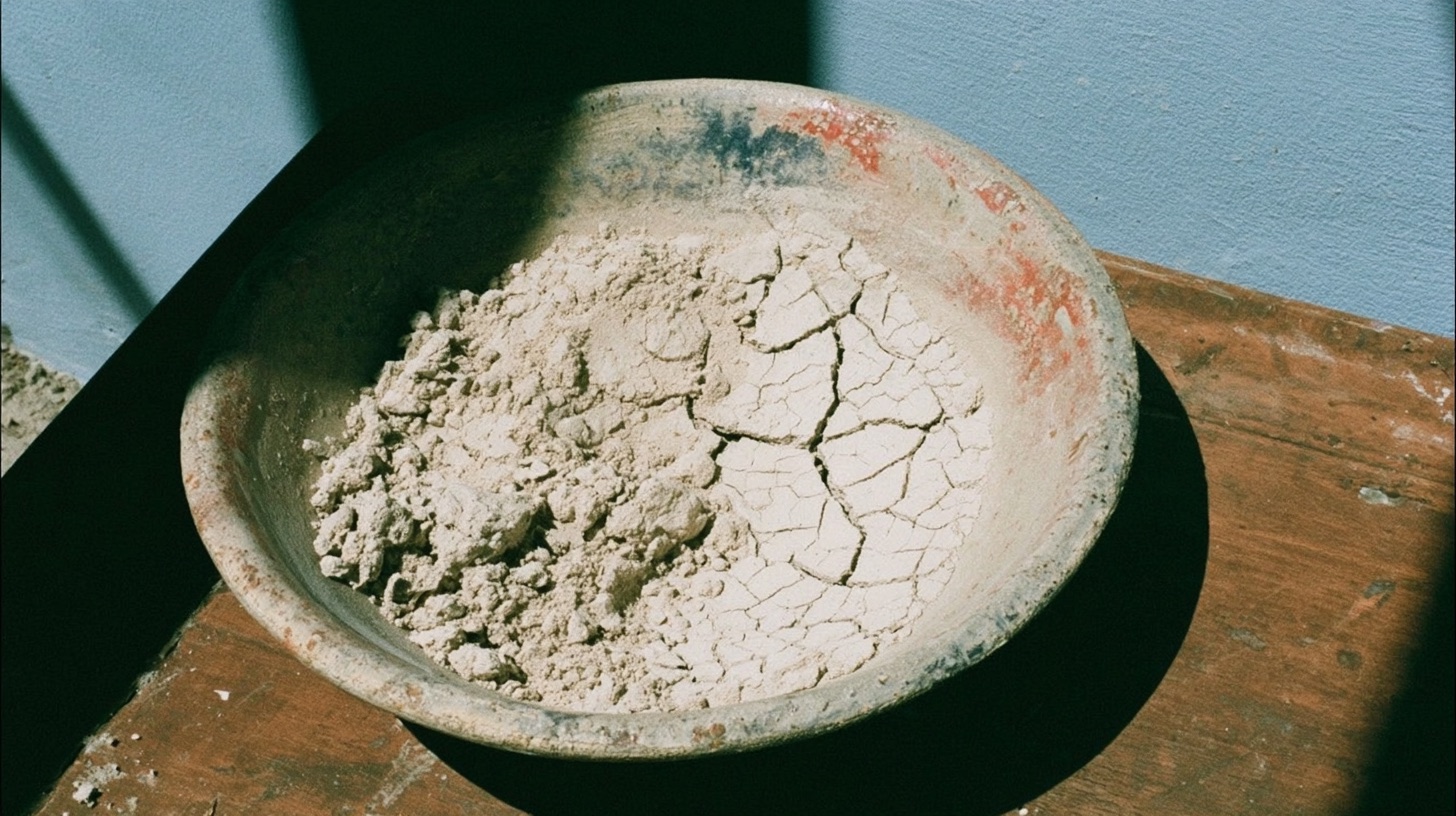
Dry skin doesn't take holidays. It just picks different ways to torment you depending on the season. Winter is the main villain. Cold air holds less moisture, central heating blasts whatever humidity is left, and your skin barrier cracks like a dirt road in a drought. This is when you need a richer moisturizer — something with ceramides and hyaluronic acid that locks moisture in instead of letting it evaporate.
Summer flips the script. Humidity rises, your skin feels less tight, and you think you're cured. You're not. UV damage still dehydrates the deeper layers. Switch to a lighter-textured moisturizer so it doesn't feel like a mask on your face, but keep your SPF locked in at 30+ broad-spectrum. Non-negotiable.
The routine itself doesn't change: cleanse, moisturize, protect. What changes is the weight of your products. Thicker in winter, lighter in summer. Adjust the texture, not the discipline.
further reading
For more information from medical authorities: - [BAD — Skin Health Info](https://www.skinhealthinfo.org.uk/) - [NCBI Bookshelf — stratum corneum and skin barrier](https://www.ncbi.nlm.nih.gov/books/NBK513299/)
quick answers